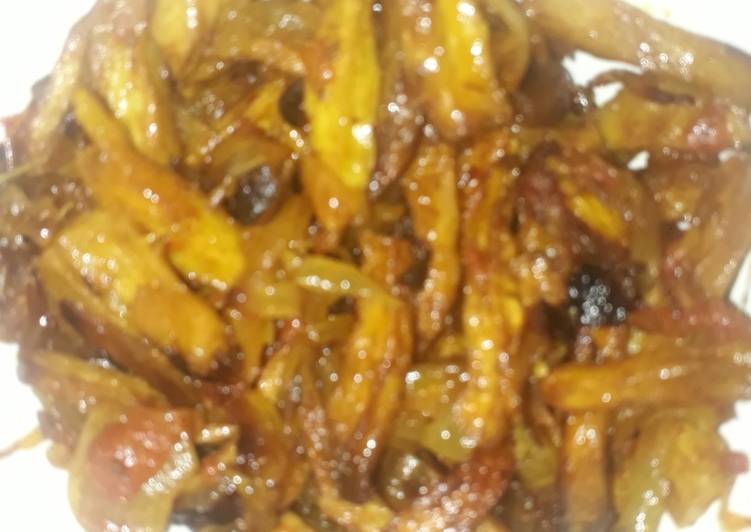
Hello everybody, hope you are having an incredible day today. Today, we’re going to make a distinctive dish, taro root vegetable. It is one of my favorites food recipes. This time, I’m gonna make it a little bit tasty. This will be really delicious.
Taro root vegetable is one of the most favored of current trending foods in the world. It’s simple, it is fast, it tastes yummy. It is appreciated by millions every day. They are fine and they look fantastic. Taro root vegetable is something which I’ve loved my whole life.
Colocasia esculenta is a tropical plant grown primarily for its edible corms, a root vegetable most commonly known as taro (/ˈtɑːroʊ, ˈtæroʊ/), or kalo (see §Names and etymology for an extensive list). Taro root is a starchy root vegetable originally cultivated in Asia but now enjoyed around the world. It has a brown outer skin and white flesh with purple specks throughout.
To get started with this recipe, we have to prepare a few ingredients. You can have taro root vegetable using 8 ingredients and 6 steps. Here is how you can achieve that.
The ingredients needed to make Taro root vegetable:
- Get 300 gm taro roots
- Take 2 large size onion
- Get 2 tomato
- Prepare as needed Oil to fry
- Make ready as per taste Salt
- Prepare As needed Red chilli powder
- Take as required Dry coriander powder
- Prepare as required Garam masala
In addition to providing dishes with a pop of color, it also brings a host of important nutrients to the table. So, what does taro taste like? Taro is slightly sweet and nutty in flavor, and it's the root of the taro plant, which grows in tropical and semitropical climates all over the world. Taro root (Colocasia esculenta) is the thick, tuber stalk of the taro plant.
Instructions to make Taro root vegetable:
- Peel taro root very carefully wash it and then cut into fine finger shape pieces.
- Cut onions in thin but large size and cut tomato in small pieces
- Take oil in pan for fry on medium flame. Add taro roots in parts and fry all vegetable. And keep aside
- Take some oil in a pan and add cumin seeds after 30 seconds add finely cut onions and cook for 4-5 minuts then add chopped tomato and mix well cook for 2-3 minutes
- Then add salt, red chilli powder, garam masala powder, dry coriander powder cook for 2-3 minutes. When it leaves oil add fried taro roots and mix well
- Cook it for 2-3 minutes then low the flame. Let it cook over low flame for 1 minute more…
It is an important part of global cuisines and diets for thousands of years. Taro is considered to be one of the first cultivated plants in. The taro root has a rough and dark colored exterior that is covered by fibrous hairs. Colocasia or taro can be eaten baked, roasted, boiled or prepared into a vegetable. Taro roots belong to the Araceae family and is well known as Colocasia esculenta.
So that is going to wrap it up with this special food taro root vegetable recipe. Thanks so much for your time. I am confident you will make this at home. There’s gonna be more interesting food at home recipes coming up. Remember to save this page on your browser, and share it to your loved ones, colleague and friends. Thanks again for reading. Go on get cooking!